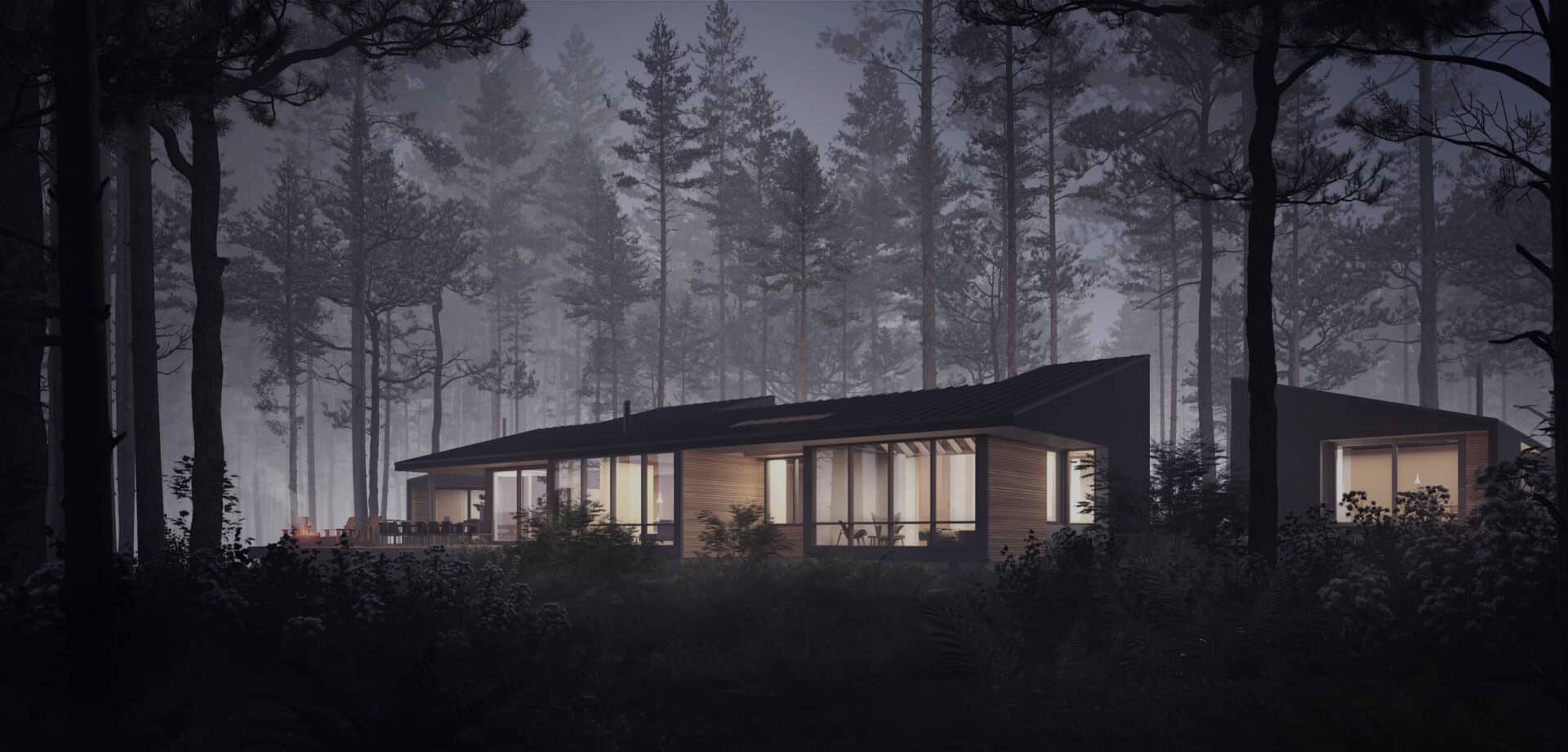
Selecting the right design-build partner is one of the most important steps when planning a modern home in Vancouver. Modern homes require thoughtful planning, skilled craftsmanship, and a well-coordinated team to ensure the finished space aligns with your architectural goals and functional needs. Working with an experienced design-build company ensures a smooth, collaborative, and efficient process from concept to completion.
Vancouver’s contemporary residential projects benefit greatly from the integrated design-build method. Below, we explore what this model offers, the qualities to look for in the right partner, and how Vancouver homeowners can make the best possible choice.
Understanding the Design-Build Model
The design-build model combines both design and construction under one contract. This creates a unified flow of communication, minimizes delays, and ensures alignment from early planning through final construction.
How Design-Build Differs from Traditional Models
The design-build approach streamlines construction by combining design and construction responsibilities under one integrated team, unlike traditional models where architects and contractors work separately. This unified structure improves communication, reduces delays, and minimizes unexpected costs. Instead of managing multiple contracts, clients work with a single team from concept to completion, ensuring a more efficient, collaborative, and cohesive project experience.
Why Homeowners Choose Design-Build for Modern Homes
Modern home design Vancouver relies on precision and integration—open layouts, energy-efficient features, smart technology, and carefully planned lighting. Design-build firms ensure these elements work together cohesively from day one.
Qualities to Look for in a Design-Build Partner
Choosing a reliable partner means evaluating experience, communication style, transparency, and their ability to handle modern architectural requirements.
Experience With Modern Architectural Styles
Experience with modern architectural styles allows for creating spaces that feel open, refined, and thoughtfully designed. By blending clean lines, innovative materials, and contemporary aesthetics, modern architecture brings a perfect balance of functionality and visual appeal to any environment.
For example, Upward Construction & Renovation Ltd. has extensive experience designing and building custom modern homes in Vancouver and North Vancouver.
A Well-Documented Process
Your design-build partner should outline all project stages clearly from concept development and cost planning to construction and finishing.
Transparent Cost Planning
Transparent cost planning ensures that every expense is clearly outlined from the beginning, helping you make informed decisions without unexpected surprises. By providing a clear breakdown of materials, labor, and service charges, it builds trust and allows you to manage your budget with confidence. This approach promotes clarity, accountability, and smooth project execution from start to finish.
Strong Communication Skills
Regular updates, open dialogue, and responsive communication are key to a successful design-build partnership.
Evaluating a Design-Build Firm’s Portfolio
A firm’s portfolio provides a window into its craftsmanship, design expertise, and ability to execute modern projects effectively. Reviewing past work helps homeowners understand the firm’s strengths and whether its approach aligns with their vision for a modern home.
What to Look for in a Portfolio
When evaluating a portfolio, consider the consistency of craftsmanship across different projects, as this indicates attention to detail and quality standards. Examine the firm’s experience with various lot sizes and terrains, which shows adaptability to different site conditions. Look for examples of modern detailing, smart space planning, and effective use of natural light, all of which are key elements in contemporary home design. A strong portfolio also demonstrates long-term industry experience, suggesting reliability and a proven track record in delivering successful projects.
Understanding Local Expertise
Vancouver’s terrain, weather, and zoning requirements make local knowledge extremely valuable.
Working With Local Teams
Local firms understand:
- Sloped lots
- Environmental requirements
- Climate-appropriate materials
- North Shore building guidelines
Importance of Knowledge in Residential Zoning
Understanding residential zoning is essential for homeowners, buyers, and developers because it determines how land can be used, what structures can be built, and what restrictions apply. Having this knowledge helps prevent costly mistakes, ensures compliance with local regulations, and supports smarter planning for future property development or investment.
A skilled design-build partner must understand zoning rules related to height limits, setbacks, floor-area ratios, and more.
Planning a Modern Home in Vancouver: Key Considerations
Before choosing your design-build partner, it’s essential to clearly define your expectations and project goals so the entire process stays aligned with your lifestyle and vision.
Defining Your Vision
Start by gathering inspiration that reflects the type of home you want to create. Explore different layouts, design styles, material palettes, and interior concepts that support how you want your space to function. Having a clear visual direction ensures that your design team understands your aesthetic preferences and practical needs from the very beginning.
Identifying Structural Needs
Modern homes often require specific structural considerations that go beyond traditional designs. Features like longer open spans, engineered beams, custom glazing, and specialty fabrication may be needed to achieve clean lines and spacious interiors. Understanding these requirements early helps streamline planning, budgeting, and collaboration with engineers and builders.
Considering Long-Term Functionality
A modern home is not just about appearance—it’s about creating spaces that support comfortable, efficient everyday living. Prioritize elements like open floor plans, integrated storage solutions, and seamless transitions between rooms to ensure the home remains practical and adaptable for years to come. Long-term functionality should complement the modern aesthetic, resulting in a home that is both stylish and highly livable.
The Role of Collaboration in Successful Projects
Continuous collaboration is a key factor in the success of any design-build project. When all team members—from architects and engineers to contractors and clients—work closely together, it ensures that every aspect of the project aligns with the vision and avoids costly errors or delays.
How Collaboration Supports Modern Design
A unified team makes it possible to address structural challenges more efficiently and refine design elements in real time. By fostering open communication, collaboration helps prevent misunderstandings and keeps the project on track, ensuring that the modern design vision is realized seamlessly.
Benefits of Integrated Problem-Solving
Collaborative problem-solving allows potential issues to be addressed early in the project, which improves scheduling, keeps budgets under control, and maintains project momentum. This proactive approach reduces the likelihood of major setbacks and supports a smoother construction process.
Materials and Finishes for Modern Homes
Modern Vancouver homes often combine natural textures with clean, minimalist finishes to create spaces that feel both contemporary and inviting. The choice of materials plays a significant role in achieving the desired aesthetic while ensuring long-term durability.
Common Modern Materials
In modern home design, wood accents add warmth, metal details provide sleek contrasts, and expansive glass walls bring in natural light. Durable flooring and energy-efficient materials are also critical for creating a functional, sustainable home. The final material selections should balance climate considerations, longevity, and the overall aesthetic vision.
Comparison: Traditional vs. Design-Build Approaches
| Attribute | Traditional Model | Design-Build Model |
| Number of Contracts | Multiple | Single unified contract |
| Communication | Designer & builder separate | Integrated communication |
| Timeline Management | Higher risk of delays | Streamlined scheduling |
| Cost Planning | Less predictable | More accurate early estimates |
| Collaboration | Limited | Strong early collaboration |
How Upward Construction Supports Modern Home Design
Upward Construction & Renovation Ltd. specializes in:
- Modern custom homes
They create personalized homes that reflect the homeowner’s style, needs, and vision while ensuring functionality and long-term livability.
- Renovations
The company transforms existing spaces into modern, efficient, and visually appealing areas, blending new design elements with structural integrity.
- Contemporary residential construction
Their approach combines innovative design with quality materials and craftsmanship, resulting in durable, stylish, and energy-efficient homes suited to modern living.
Their experience in planning, communication, and high-quality craftsmanship makes them a strong partner for modern home projects in Vancouver.
Final Thoughts
Selecting the right design-build partner is the foundation of a successful modern home project. By evaluating their portfolio, communication, local expertise, and process transparency, homeowners can confidently choose a firm that aligns with their vision. To discuss your modern home design goals, connect with Upward Construction & Renovation Ltd. and contact us today.
Frequently Asked Questions
It is a project structure where one team manages both design and construction under a single contract, improving communication and reducing delays.
Modern homes require alignment between design details and construction techniques. The design-build approach ensures efficient coordination.
Very important. Local expertise helps navigate zoning rules, sloped terrain, and climate-specific construction needs.
Look for modern home projects, quality craftsmanship, creative layouts, and strong design consistency.
Ideally at the very beginning of the project. Early involvement ensures better planning, accurate budgeting, and smoother execution.