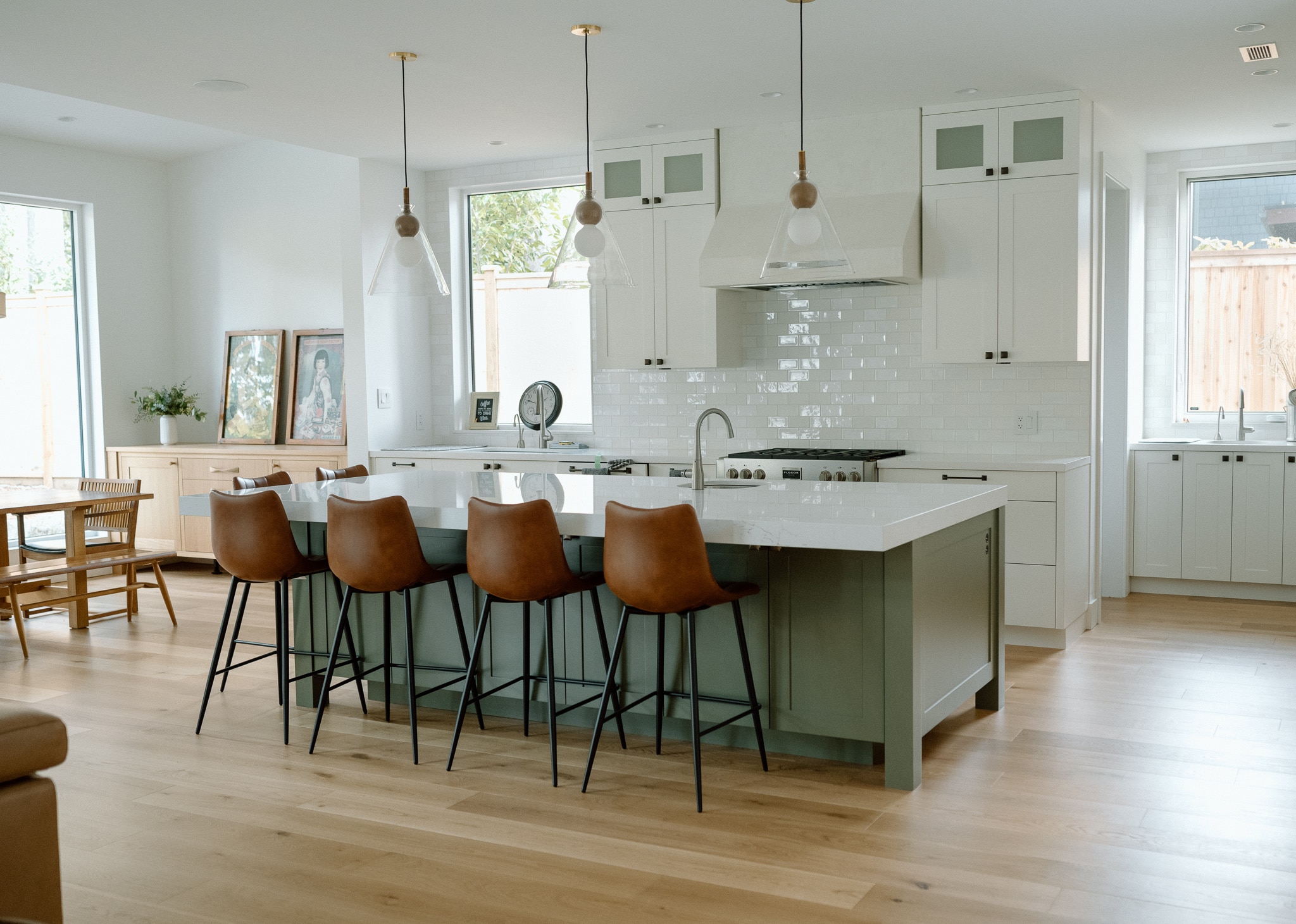
A kitchen renovation is one of the most transformative steps in any home renovation project. For homeowners in North Vancouver, the kitchen is more than a cooking space. It is where family life unfolds, where guests gather, and where functionality must meet thoughtful design.
At Upward Construction & Renovation Ltd, kitchen renovations are approached as a carefully planned journey rather than a quick upgrade. Each stage matters, from early planning and demolition to cabinetry installation and final reveal. This checklist is designed to guide North Vancouver homeowners through every phase of a successful kitchen renovation while aligning with the broader goals of a quality home renovation.
Whether your project is part of a full home renovation in North Vancouver or a standalone kitchen upgrade, this guide helps you understand what to expect and how to prepare.
Why a Kitchen Renovation Matters in a Home Renovation
A kitchen renovation often sets the tone for the entire home renovation. It impacts daily routines, storage efficiency, energy flow, and long term livability. In North Vancouver homes, kitchens frequently need to balance modern performance with architectural character, whether the home is a condo, a family residence, or a heritage property.
Kitchen renovations in North Vancouver also require careful coordination with structural layouts, building codes, and material durability. Working with experienced home renovation companies in Vancouver BC ensures that these factors are addressed early and properly.
Phase 1: Pre Renovation Planning and Assessment
Every successful home renovation begins with planning. Skipping this step can lead to delays, redesigns, and missed opportunities.
Define Your Renovation Goals
Start by identifying what you want your kitchen renovation to achieve.
Common goals include:
- Improved layout and workflow
- Increased storage
- Better lighting and ventilation
- Modern finishes that align with the rest of the home
- Integration with dining or living areas
When planning a kitchen renovation in North Vancouver, it is also important to consider how the kitchen connects with outdoor spaces, natural light, and mountain or city views.
Assess the Existing Kitchen Space
A detailed assessment helps uncover limitations and possibilities.
Key areas to evaluate:
- Structural walls and load bearing elements
- Plumbing and electrical locations
- Ceiling height and natural light
- Existing ventilation systems
- Flooring transitions into adjacent rooms
At this stage, many homeowners refer to renovation case studies and portfolio examples to visualize how similar spaces were transformed. Reviewing completed kitchen renovations and home renovation projects helps refine expectations.
Set a Realistic Timeline
Kitchen renovations are complex. Timelines vary depending on scope, approvals, and material availability.
A clear renovation timeline helps:
- Coordinate trades
- Reduce household disruption
- Keep the project organized
An experienced renovation team integrates kitchen renovation timelines into the overall home renovation schedule to avoid conflicts with other work areas.
Phase 2: Design Development and Layout Planning
Design is where vision meets function. This phase defines how the kitchen will look, feel, and operate.
Create a Functional Layout
Kitchen layout is the backbone of usability. Consider how you move through the space daily.
Common layout considerations include:
- Sink, stove, and refrigerator placement
- Prep zones and cleanup zones
- Seating and social areas
- Accessibility and circulation
For kitchen renovations in North Vancouver, layouts often prioritize openness, especially when kitchens connect to living spaces. Thoughtful design supports both everyday use and entertaining.
Cabinetry and Storage Planning
Cabinetry shapes both aesthetics and organization.
Important storage considerations:
- Pantry space and pull out shelving
- Drawer configurations
- Appliance integration
- Upper cabinet height and depth
Custom or semi custom cabinetry is often preferred in high quality home renovation projects due to flexibility and longevity.
Material and Finish Selection
Material selection affects durability, maintenance, and style.
Typical selections include:
- Countertops
- Cabinet finishes
- Backsplash materials
- Flooring transitions
- Hardware and fixtures
In North Vancouver homes, materials are often chosen to complement natural surroundings while maintaining modern performance standards.
Lighting Design
Lighting is a critical part of kitchen renovations and often underestimated.
A complete lighting plan includes:
- Task lighting for work surfaces
- Ambient lighting for overall illumination
- Accent lighting for visual depth
Proper lighting enhances both safety and atmosphere within a home renovation.
Phase 3: Permits, Approvals, and Preparation
Before demolition begins, approvals and site preparation are essential.
Permit Considerations
Depending on the scope, permits may be required for:
- Structural changes
- Electrical and plumbing modifications
- Ventilation updates
Professional renovation teams manage permits as part of the renovation process to ensure compliance with local regulations.
Preparing the Home
Kitchen renovations disrupt daily routines. Preparation minimizes stress.
Preparation steps include:
- Setting up a temporary kitchen area
- Protecting adjacent rooms
- Scheduling work hours
- Coordinating access points
Clear communication between homeowner and renovation team supports smoother progress.
Phase 4: Demolition and Site Work
Demolition marks the physical start of the kitchen renovation.
Safe and Controlled Demolition
Demolition is more than removal. It is a precise process designed to protect the home structure.
During demolition:
- Existing cabinets and finishes are removed
- Flooring and drywall are carefully taken out
- Structural elements are preserved as planned
For home renovation projects involving multiple rooms, demolition is staged to maintain stability and safety.
Inspecting Hidden Conditions
Once walls and floors are open, previously hidden issues may appear.
Common discoveries include:
- Outdated wiring
- Plumbing wear
- Insulation gaps
Addressing these early prevents future complications and supports long term performance.
Phase 5: Structural, Electrical, and Plumbing Work
This phase builds the foundation for the finished kitchen.
Structural Adjustments
If layout changes require structural updates, they are completed at this stage.
Examples include:
- Removing or modifying walls
- Reinforcing load bearing supports
- Adjusting ceiling heights
Structural work must align with the overall home renovation plan to maintain integrity.
Electrical Rough In
Electrical systems are updated to support modern kitchen needs.
Electrical considerations include:
- Appliance circuits
- Lighting zones
- Outlet placement
- Smart home integration
Proper planning ensures functionality and safety.
Plumbing Rough In
Plumbing updates prepare the kitchen for fixtures and appliances.
Plumbing work includes:
- Sink relocation
- Dishwasher and refrigerator connections
- Water filtration systems
Experienced renovation teams coordinate plumbing and electrical work efficiently.
Phase 6: Insulation, Drywall, and Surface Prep
Once systems are in place, the kitchen begins to take shape again.
Insulation and Soundproofing
Updated insulation improves comfort and energy efficiency.
Benefits include:
- Temperature control
- Noise reduction
- Improved indoor air quality
This step supports the performance goals of a full home renovation.
Drywall Installation and Finishing
Drywall restores walls and ceilings.
This phase includes:
- Hanging drywall
- Taping and mudding
- Sanding for smooth surfaces
Quality finishing ensures clean lines and professional results.
Phase 7: Cabinet Installation and Built Ins
Cabinetry installation transforms the space visually and functionally.
Precision Installation
Cabinets must be installed accurately to ensure proper alignment and durability.
Installation includes:
- Base and wall cabinets
- Tall pantry units
- Integrated appliances
Attention to detail at this stage affects the final appearance and performance.
Custom Features
Custom elements enhance usability.
Examples include:
- Pull out storage
- Built in organizers
- Appliance panels
These features are common in high end kitchen renovations in North Vancouver.
Phase 8: Countertops, Backsplashes, and Flooring
This phase adds character and durability.
Countertop Installation
Countertops are installed after cabinetry is secured.
Key considerations:
- Material handling and sealing
- Cutouts for sinks and appliances
- Edge profiles
Countertops anchor the design and support daily use.
Backsplash Installation
Backsplashes protect walls and add visual interest.
Design considerations include:
- Material selection
- Pattern layout
- Grout color
Backsplashes often serve as a focal point in kitchen renovations.
Flooring Completion
Flooring may be installed earlier or completed during this phase depending on the renovation plan.
Flooring must:
- Transition smoothly to adjacent rooms
- Withstand moisture and wear
- Complement the kitchen design
Phase 9: Fixtures, Appliances, and Finishing Touches
This is where the kitchen truly comes together.
Fixture Installation
Fixtures include:
- Sinks
- Faucets
- Lighting fixtures
Proper installation ensures performance and longevity.
Appliance Installation
Appliances are carefully installed and tested.
Coordination ensures:
- Correct clearances
- Ventilation compliance
- Electrical and plumbing connections
Final Detailing
Detailing completes the renovation.
Final touches include:
- Hardware installation
- Paint touch ups
- Trim and molding
These elements define craftsmanship quality.
Phase 10: Final Inspection and Reveal
The final phase confirms that the kitchen renovation meets expectations.
Quality Review
A walkthrough ensures:
- Systems function correctly
- Finishes meet standards
- Design intent is achieved
Any adjustments are addressed before project completion.
The Kitchen Reveal
The reveal marks the completion of the renovation journey.
A well executed kitchen renovation enhances:
- Daily living
- Home value
- Overall home renovation success
Kitchen Renovation Checklist Table
| Renovation Phase | Key Activities | Purpose |
| Planning | Goals, assessment, timeline | Define direction |
| Design | Layout, materials, lighting | Create function and style |
| Preparation | Permits, site prep | Ensure compliance |
| Demolition | Removal, inspections | Clear for rebuild |
| Rough Ins | Electrical, plumbing, structure | Build foundation |
| Finishing Prep | Insulation, drywall | Restore surfaces |
| Installation | Cabinets, countertops | Define space |
| Completion | Fixtures, appliances | Final functionality |
Conclusion
A successful kitchen renovation is the result of thoughtful planning, skilled execution, and clear communication. For homeowners considering a kitchen renovation in North Vancouver, following a structured checklist ensures that each phase contributes to a cohesive and lasting home renovation.
At Upward Construction & Renovation Ltd, kitchen renovations are integrated into a broader vision of quality home renovation, craftsmanship, and lifestyle enhancement. From initial planning through final reveal, every detail matters.
If you are planning a home renovation or exploring kitchen renovations in North Vancouver, Contact us to discuss how your vision can be thoughtfully transformed into a functional and beautifully crafted space.
Frequently Asked Questions (FAQs):
A kitchen renovation often serves as the core of a home renovation, influencing layout, finishes, and daily flow throughout the home.
Yes, they often consider natural light, architectural styles, and local building requirements unique to North Vancouver.
Timelines vary depending on scope, approvals, and complexity, especially within larger home renovation projects.
Layout changes are possible but should be planned early to avoid structural and system conflicts.
Professional teams manage scheduling, trades, and inspections as part of a structured renovation process.